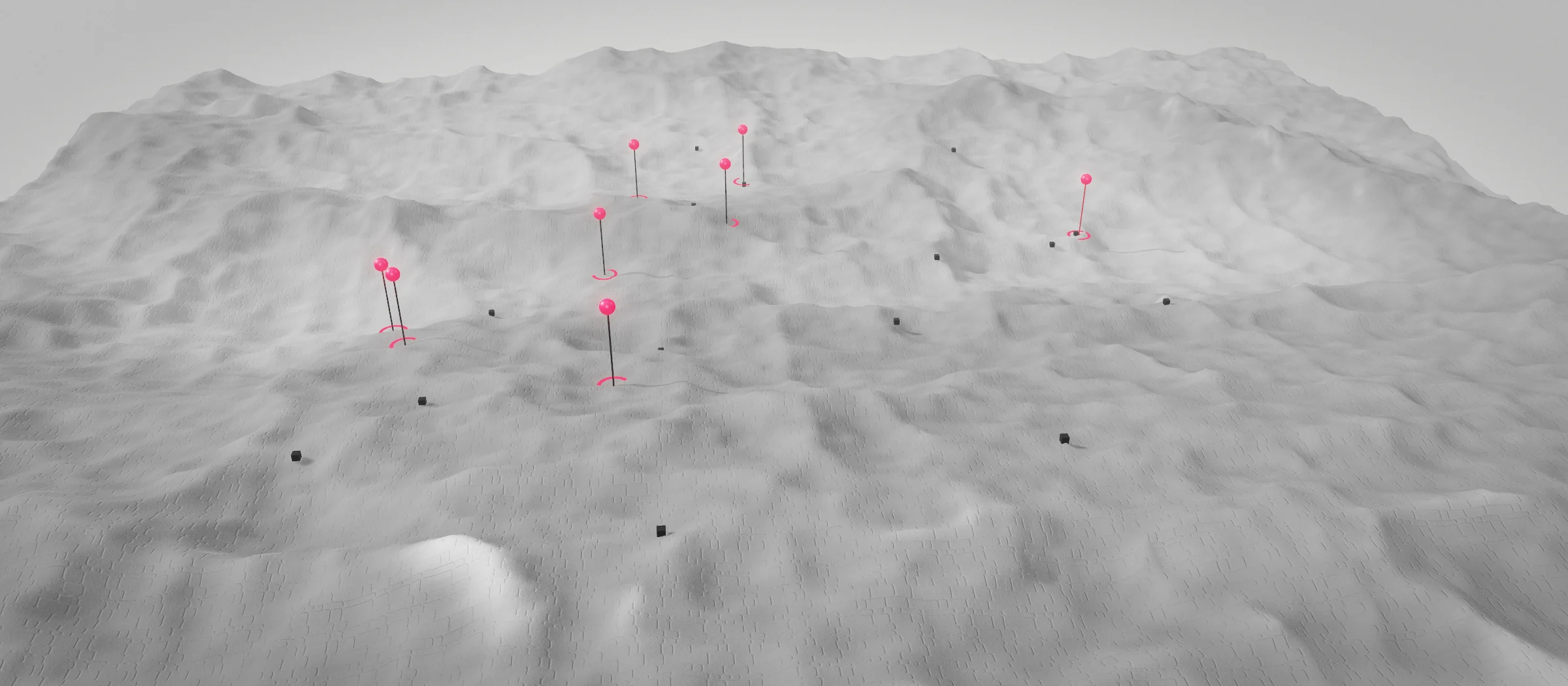
Stylised relief, not survey data
KCO · Middle East
Kurds in Iran
Rojhilat, as Kurdish usage names the Kurdish areas of Iran, covers Kurdistan, Kermanshah, West Azerbaijan and Ilam provinces. Kurmanji communities in Khorasan descend from Safavid resettlement. Many Kurds live in Tehran, and the Yarsan of Guran keep their faith. The Republic of Mahabad was proclaimed in 1946.
-
10 to 12 million
institute estimate, 2016
Institut kurde de Paris, The Kurdish population Secondary source
At a glance
- 1Figures
- 8City pages
- 3Languages
- 8Areas
01The programme
This programme brings together Kurds living in Iran, city by city. Its charter form is a Regional Chapter, fitted to local law and to the risks members face.
Forming Regional Chapter: not yet chartered.
02Cities
The map needs JavaScript. The places it shows are listed beside it.
Layers
Places on this map (8)
Map: OpenFreeMap, OpenMapTiles, data © OpenStreetMap contributors (ODbL). Boundaries: Natural Earth. Places: the platform’s own pages.
-
Ilam
Feyli and Southern Kurdish
-
Kermanshah (Kirmaşan)
Southern Kurdish and Yarsan heritage
-
Sanandaj (Sine)
Historic Ardalan capital
-
Saqqez (Seqiz)
Home town of Jina Amini
-
Quchan (Qoçan)
Khorasan Kurmanji communities
-
Tehran
Large Kurdish population in the capital
-
Mahabad
Republic of Mahabad, 1946
-
Urmia (Ûrmiye)
Kurdish, Azerbaijani and Assyrian city
Subdivisions of Iran
Each first-level subdivision has a local page. It gathers official services, learning, safety and civic life.
- AlborzIR-30
- ArdabilIR-24
- BushehrIR-18
- Chaharmahal and BakhtiariIR-14
- East AzerbaijanIR-03
- FarsIR-07
- GilanIR-01
- GolestanIR-27
- HamadanIR-13
- HormozganIR-22
- IlamIR-16Cities: 1
- IsfahanIR-10
- KermanIR-08
- KermanshahIR-05Cities: 1
- KhuzestanIR-06
- Kohgiluyeh and Boyer-AhmadIR-17
- KurdistanIR-12Cities: 2
- LorestanIR-15
- MarkaziIR-00
- MazandaranIR-02
- North KhorasanIR-28
- QazvinIR-26
- QomIR-25
- Razavi KhorasanIR-09Cities: 1
- SemnanIR-20
- Sistan and BaluchestanIR-11
- South KhorasanIR-29
- TehranIR-23Cities: 1
- West AzerbaijanIR-04Cities: 2
- YazdIR-21
- ZanjanIR-19
The list follows UN sources first: OCHA COD-AB, then UN SALB, then ISO 3166-2. It takes no position on any status or boundary.
03How statistics see the community
Iran’s census has no question on ethnicity or language.
Counts of Kurds differ by what they measure: birthplace, citizenship, language or self-identification. Each figure names its measure, year and source, and none are summed.
Sources Institut kurde de Paris, The Kurdish population Secondary source
04Areas
-
Academy
Every field of knowledge, courses in all Kurdish varieties, and communities of practice.
-
Heritage
History from the Zagros to today, memory, faiths, arts, literature and food.
-
Language
Kurmanji, Sorani, Zazaki, Southern Kurdish and Gorani, in every script.
-
Research
Kurdish studies: the observatory, reading lists and new research.
-
Opportunities
Livelihoods, skills, jobs, mentoring and diaspora-to-region bridges.
-
Civic
Civic education, rights literacy, statelessness help and dialogue.
-
Development
Social programmes, livelihoods and disaster preparedness for Kurdish communities.
-
News and events
Kurdish and regional news with every outlet labelled, and the calendar of Kurdish days.
05Learn in the Academy
Courses and disciplines of the Academy on the subject of this page.
Courses
- Civic participation in GermanyOutlined
- Civic participation in SwedenOutlined
- Digital safety for familiesOutlined
- Anfal and HalabjaOutlined
Disciplines
- Telecommunications and information engineeringProposed
- Control engineering and roboticsProposed
- Mechanical engineeringProposed
- Chemical engineeringProposed
A completion record shows what was studied and assessed. It is not a certificate or a qualification.